Thermoplastic Elastomers (TPE): Innovation, Processing, and Overmolding in Plastics Manufacturing
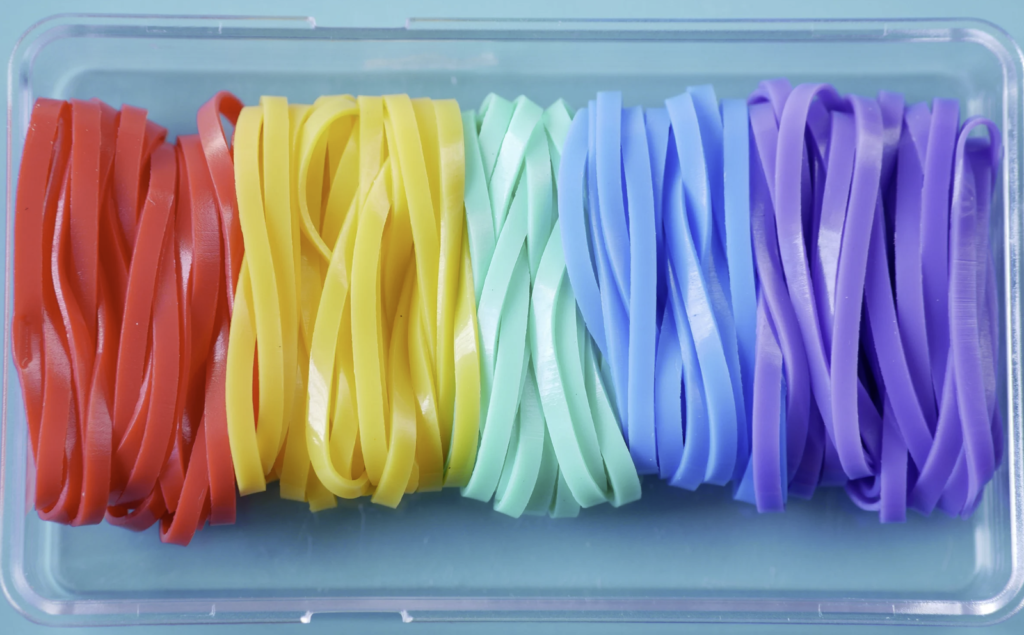
Thermoplastic Elastomers (TPE) represent one of the most significant silent revolutions in materials engineering. They combine the elasticity of rubber with the processability of thermoplastics, enabling efficient injection molding cycles and full recyclability. If you work in injection molding, understanding TPE is not optional — it's a competitive advantage.
What Are Thermoplastic Elastomers?
A Thermoplastic Elastomer (TPE) is an amorphous polymeric material whose disordered molecular chains provide flexibility, elasticity, and in certain grades, optical clarity. Unlike conventionally vulcanized rubber, TPE does not require an irreversible curing process: it can be melted, molded, and re-solidified repeatedly without losing its elastic properties.
From a molecular standpoint, TPEs exhibit a two-phase (biphasic) structure where rigid regions (acting as physical crosslink points) and flexible regions (providing elasticity) coexist at the microscale. This molecular architecture is the reason the material behaves like an elastomer at room temperature but flows like a thermoplastic when heated above its softening temperature.
The global TPE market has critical applications across sectors including:
- Medical: hermetic seals, ergonomic grips, single-use devices
- Automotive: interior trim, door seals, soft-touch surfaces
- Consumer electronics: smartphone cases, USB cables, tactile buttons
- Hand tools: non-slip handles, grip coatings
- Footwear: high-performance soles, ergonomic insoles
History and Evolution of TPE
TPE development did not happen overnight. The timeline is revealing:
- 1930s: Otto Bayer develops polyurethanes, laying the chemical foundations
- 1950: BFGoodrich commercializes the first Thermoplastic Polyurethane (TPU), marking the dawn of the TPE era
- 1960s: Shell Chemical introduces styrene block copolymers (SBS), revolutionizing the footwear industry
- 1970–1990: Mass expansion: TPO, TPV (thermoplastic vulcanizates), and TPA emerge
- 2000–present: Eco-sustainable developments — bio-TPE from vegetable oils and recycled compounds
Today, the global thermoplastic elastomer market is worth billions of dollars, with a projected compound annual growth rate (CAGR) of 6% for the TPV segment between 2024 and 2029.
Types
and Classification of TPE
There is a full family of materials under the "TPE" umbrella. Nomenclature varies by geographic region — in Latin America and the US, TPR is common for styrene-based compounds (SBC), while Europe prefers standardized nomenclature TPE-S or TPE-V.
| Acronym | Technical Name | Typical Applications | Hardness Range (Shore A) |
|---|---|---|---|
| TPE-S / TPR | Styrene block copolymer | Brush handles, soft seals, toys | 20–90 A |
| TPO | Thermoplastic Olefin | Auto bumpers, dashboards, roofing membranes | 50–80 A |
| TPU | Thermoplastic Polyurethane | Phone cases, industrial wheels, footwear | 60 A – 80 D |
| TPV | Thermoplastic Vulcanizate | Seals, gaskets, shoe soles, hand tools | 35–90 A |
| TPA | Thermoplastic Polyamide | Premium athletic footwear, aerospace components | 40–80 D |
| TPC | Thermoplastic Copolyester | Electrical connectors, flexible hoses, airbags | 35 A – 72 D |
Key Differences: TPE vs. TPU vs. TPV
Generic TPE (TPE-S/TPR): Most economical, widely available, ideal for soft-touch parts without extreme thermal demands. Service temperature limited to ~60–80°C.
TPU: Excellent abrasion resistance, resistance to hydrocarbons and oils. Superior mechanical durability. Very hygroscopic — requires rigorous drying (typically 4 hours at 80–100°C). Service temperature up to 120°C.
TPV: Combines the chemical resistance of vulcanized EPDM rubber with thermoplastic processability. Ideal for automotive seals and high-temperature applications (up to 135°C continuous).
Key Technical Properties
TPE properties vary considerably by family and specific grade, but these are the most relevant technical properties for injection molding:
Mechanical Properties
- Hardness: 20 Shore A (very soft, gel-like) to 72 Shore D (semi-rigid)
- Elongation at break: 300–800% (varies by family)
- Tensile strength: 4–35 MPa depending on grade
- Elastic recovery: 85–99% (advantage over conventional rubbers)
- Tear resistance: 10–60 kN/m
Thermal Properties
- Processing temperature: 170–230°C (TPE-S), 190–240°C (TPU), 200–250°C (TPV)
- Continuous service temperature: 60°C (basic TPE-S) to 150°C (premium TPV)
- Heat deflection temperature: generally low — critical design consideration
Processing Properties
- Shear sensitivity: High — incorrect injection speeds cause degradation
- Mold shrinkage: 0.5–3.0% (higher than ABS/PP, lower than rubbers)
- Moisture absorption: Low for TPE-S/TPO; very high for TPU (drying required)
Industrial Applications by Sector
Automotive Sector
TPV and TPO dominate exterior applications due to UV and temperature resistance:
- Window trim and sealing profiles (TPV)
- Dashboards and interior panels with soft touch (TPO soft-touch)
- CV joint boots and steering bellows (TPV)
- Door and hood seals (extruded + injection molded TPV)
Medical Sector
Medical-grade TPE must comply with ISO 10993 (biocompatibility):
- Scalpel handles and surgical instrument grips (medical-grade TPE-S)
- Infusion tubes and hoses (medical-grade TPU)
- Pipette bulbs and syringe components (transparent TPE-S)
- Seals for dialysis systems (TPV)
Consumer Electronics
- Smartphone and tablet cases (TPU — impact and abrasion resistance)
- USB cables and earphones (flexible TPU + TPE-S)
- Tactile buttons and keys (TPE-S Shore 40–60A)
- IP67/IP68 waterproof gaskets (TPV)
Footwear and Sports
- High-performance sneaker soles (TPA, TPU)
- Ergonomic insoles (TPE-S gel, Shore 20–35A)
- Ankle supports in athletic footwear (rigid TPU)
- Non-slip grip surfaces on footwear (TPV)
Injection Molding Processing
TPE presents unique processing challenges. Mastering these parameters separates average molders from experts.
Recommended Process Parameters
| Parameter | TPE-S/TPR | TPU | TPV |
|---|---|---|---|
| Barrel temperature (front zone) | 175–210°C | 200–240°C | 210–250°C |
| Barrel temperature (rear zone) | 155–185°C | 180–210°C | 190–225°C |
| Mold temperature | 10–40°C | 20–50°C | 30–60°C |
| Injection speed | Medium-High | Medium | Medium |
| Injection pressure | 50–100 MPa | 70–120 MPa | 80–130 MPa |
| Cooling time | 10–30 s | 15–35 s | 15–40 s |
| Pre-drying | Not required (most) | 80–100°C, 4h | 70–90°C, 2–4h |
Shear Sensitivity: The Main Challenge
TPE has low thermal inertia: if injection speed is too low, material cools prematurely in the runners, generating weld lines or short shots. If too high, excessive shear degrades the polymer chain, producing burns, discoloration, and loss of mechanical properties.
The injection speed curve must be optimized part by part. A descending speed profile (high at the start to fill the hot runner, decreasing as the cavity fills) generally works well for complex geometries.
TPU Hygroscopicity: Drying Protocol
TPU is extremely hygroscopic. Excess moisture causes:
- Aesthetic defects: flow marks, bubbles, rough surfaces
- Hydrolysis: water breaks molecular chains during melting, drastically reducing mechanical strength
- In severe cases: complete part degradation (stringiness)
Standard protocol: dry in a dehumidifying dryer at 80–100°C for 4 hours before processing. Verify with a moisture meter that material is below 0.05–0.1% water content.
Overmolding
with TPE
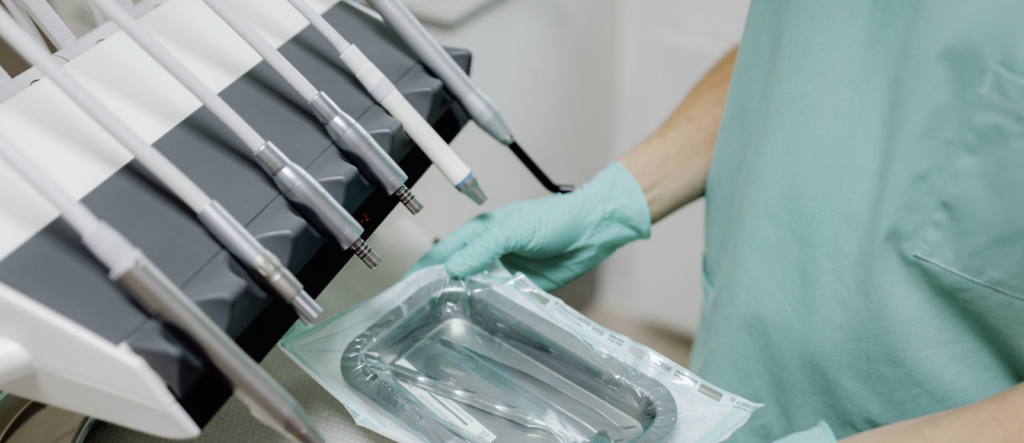
Overmolding is the highest value-added application of TPE: injecting the material onto a rigid substrate (typically ABS, PA12, or PP) to create two-shot or soft-touch parts.
Requirements for Successful Overmolding
1. Chemical compatibility: The TPE melt must reach the substrate surface temperature to generate molecular welding. If chemical adhesion is limited, mechanical undercuts or through-holes that physically anchor the TPE are required.
2. Two-shot mold design: The overmolding mold has two stations. In the first, the rigid substrate is injected; in the second (with the substrate transferred manually or by robot), the TPE is injected.
3. Temperature compatibility: The substrate must not deform at the TPE injection temperature. Verify that the substrate's heat deflection temperature (HDT) exceeds the TPE molding temperature.
TPE — Substrate Compatibility Table
| TPE | ABS | PC | PA6/PA66 | PP | POM |
|---|---|---|---|---|---|
| TPE-S (SBC) | ✅ Excellent | ⚠️ Moderate | ❌ Poor | ⚠️ With primer | ❌ Poor |
| TPU | ✅ Good | ✅ Good | ✅ Excellent | ❌ Poor | ❌ Poor |
| TPV | ❌ Poor | ❌ Poor | ⚠️ Moderate | ✅ Good | ❌ Poor |
Troubleshooting Common Defects
| Problem | Probable Cause | Suggested Solution |
|---|---|---|
| Delamination | Low melt temperature or cold substrate | Increase barrel temperature; preheat inserts |
| Flash | Excessive viscosity or holding pressure | Review transfer pressure; inspect parting line |
| Warpage at demolding | Insufficient cooling time (TPE is soft) | Increase cooling time or adjust ejector system |
| Weld lines | Low injection speed or cold material | Increase speed and barrel temperature |
| Burns / discoloration | Excessive shear or high barrel temp | Reduce injection speed; lower front zone temperature |
| Internal bubbles (TPU) | Moisture in material | Dry at 80–100°C for 4h; check dehumidifier |
| Rough surface | Mold temperature too low | Increase mold temperature 5–10°C |
Advantages and Challenges of TPE
| Advantages | Challenges |
|---|---|
| Superior ergonomic and aesthetic design | High initial investment in drying peripherals |
| "Premium feel" valued by consumers | More demanding process control than PP or ABS |
| 100% recyclable (key environmental advantage) | Higher material cost vs. conventional rubbers |
| Complies with modern environmental regulations | Delamination risk in overmolding |
| Processable on standard injection molding machines | Shear sensitivity requires careful optimization |
| Wide hardness range (20A to 80D) | Some grades require special storage conditions |
Sustainability and Market Future
The TPE industry is undergoing a transformation toward sustainability:
Recyclability: Unlike vulcanized rubber, TPE allows production waste (sprues, defective parts) to be ground and reincorporated into the process, potentially reducing material waste by up to 30% in optimized operations.
Bio-TPE: Dependence on fossil fuels is the Achilles' heel of conventional TPE. The industry is migrating toward:
- TPE based on vegetable oils (castor, soybean)
- Compounds with recycled polyolefins: In July 2022, Mitsui Chemicals developed an eco-grade version of their TPV "Milastomer" using recycled polyolefins for automotive and construction applications
TPV Market (2024–2029):
- Projected CAGR: 6% annually
- Dominant region: Asia-Pacific (largest consumption volume)
- Leading manufacturers: Teknor Apex, ExxonMobil, Mitsui Chemicals, Kumho Polychem, Dawn Group
- Growth drivers: automotive electrification (EVs require new sealing solutions), post-pandemic medical demand, European recycling regulations
Conclusion
Thermoplastic Elastomers are not simply "the plastic that feels like rubber" — they are a sophisticated family of materials that, when processed correctly, unlock design and functionality possibilities impossible with conventional materials. From an automotive door seal performing perfectly at -40°C to a smartphone case absorbing impacts without fracturing, TPE is at the heart of modern manufacturing.
Mastering TPE processing requires understanding material rheology, controlling hygroscopicity (especially with TPU), and designing molds with the correct draft angles, radii, and cooling systems. Overmolding adds an additional layer of complexity — but also of value.
The trend toward more sustainable materials, combined with growing demand for ergonomic and premium-feel products, ensures that TPE will remain a protagonist material in the next decade of the plastics industry.
Frequently Asked Questions
What is TPE overmolding?
TPE overmolding is the process of injecting a thermoplastic elastomer over a rigid substrate — typically engineering thermoplastics such as ABS, PC, PA, PP, or even metal — to produce two-component parts in a single operation. The TPE layer delivers a soft-touch surface, sealing, impact absorption, or insulation, while the rigid core provides structural integrity. It powers tool handles, phone cases, razors, and automotive seals. TPE-substrate compatibility is critical: a TPV will not bond cleanly to ABS without a grade specifically formulated for that combination.
What are the injection molding parameters for TPE?
TPE injection molding follows three key stages. Drying: especially critical for TPU (hygroscopic, requires 70-80 °C for 2-4 h to reach <0.02% moisture). Plasticizing: barrel temperatures between 180-230 °C depending on grade, with low screw RPM to avoid shear degradation. Injection and packing: pressures of 60-120 MPa, fast fill to prevent premature cooling, controlled holding pressure. Softer TPE grades (40A-60A) are more shear-sensitive than rigid plastics.
What are TPE applications by industry?
TPE applications span five core sectors: automotive (door seals, window weatherstrips, gaskets, grips), medical (flexible tubing, vial closures, ergonomic handles on instruments), consumer electronics (soft phone cases, keyboards, flexible cables), footwear and sports (shoe soles, racket grips, bike handles), and household goods (utensil handles, appliance seals). In extrusion, TPE is also used for continuous gaskets, sealing profiles, and flexible hoses — a strong segment particularly for weather-resistant TPV.
What is the difference between TPE, TPU, and TPV?
TPE is the umbrella term for the entire thermoplastic elastomer family. TPU (thermoplastic polyurethane) is a subfamily with excellent abrasion resistance, optical clarity, and elastic recovery — used for premium shoe soles, coatings, and medical tubing; its main challenge is hygroscopicity. TPV (thermoplastic vulcanizate) is a blend of vulcanized EPDM and polypropylene with the best chemical, weather, and temperature resistance up to 135 °C — preferred for exterior automotive parts and industrial seals. TPO (olefinic), SBC (styrenic), and COPE (copolyester) complete the five major subfamilies.
How do you treat the surface of TPE for adhesion?
Surface treatment for TPE aims to improve adhesion for printing, painting, or adhesives. The most common techniques are cold plasma (modifies surface energy without altering bulk properties), corona discharge (effective on TPV and TPO with low surface energy, similar to polypropylene), flame treatment (fast but requires careful control of distance and speed), and chemical primers (intermediate adhesion layer common in overmolding onto incompatible substrates). The choice depends on the TPE grade: olefin-based TPEs require more treatment than styrenic ones.
What are the most common TPE overmolding defects and how to fix them?
Typical defects in TPE molding and overmolding: flow lines and streaking — cause: shear degradation → reduce screw RPM and barrel temperature. Poor overmolding adhesion — cause: cold or incompatible substrate → preheat substrate to 60-80 °C and verify TPE-substrate compatibility chart. Delamination — cause: contaminated substrate surface → clean with isopropyl alcohol before overmolding. Warping — cause: uneven cooling → balance mold cooling channels. Sticky parts — cause: insufficient TPU drying → re-dry material and verify moisture <0.02%.
Join MoldingHub
If you work with TPE, TPU, or any thermoplastic elastomer, your experience and knowledge are valuable to the entire industry. MoldingHub is the global professional community for injection molding: connect with process engineers, materials specialists, and technicians from around the world who face — and solve — the same challenges you encounter every day.
Share your process cases, ask about difficult parameters, discover new material suppliers, and access first-rate technical resources. Together, we raise the standard of the molding industry. Join MoldingHub today — it's free and the community is already waiting for your expertise.